
Staying active and engaged in retirement isn't simply about staying busy. Rather, it involves building a life filled with purpose, connection, and good health.
The best independent senior living communities create environments where wellness, social engagement, and meaningful activity work together to support the style of retirement seniors desire.
By combining thoughtfully designed amenities, structured wellness programs, and a community centered around connection, independent senior living communities help residents maintain independence for longer.
Key Takeaways:
Active aging refers to maintaining physical health, mental sharpness, and social belonging as you grow older. It's not about staying busy or young; it’s about remaining engaged with life in ways that matter most to you.
Aging actively means optimizing opportunities for health, increasing participation, and maintaining safety, as called out by The World Health Organization. When older adults have access to activities they enjoy, people they care about, and environments that support their independence, aging becomes more active and more enjoyable. In practical terms, active aging looks different for everyone: for some, it's daily fitness; for others, it's pursuing hobbies, learning new skills, or deepening friendships.
Wellness programs in senior living communities are designed specifically for aging bodies and changing fitness needs. Most programs include fitness classes tailored to different abilities, regular health screenings, nutritional guidance, and access to professional fitness coaches..
When residents participate in regular fitness activities (like water aerobics, chair yoga, walking groups, or strength training), they maintain cardiovascular health, preserve muscle mass, and improve balance and flexibility.
Better balance and strength directly reduce the risk of falls, one of the leading health concerns for older adults. Regular movement also improves sleep quality and mood. Having movement and exercise activities built right into community life makes staying fit far easier than trying to maintain exercise routines alone at home.
We’ve seen how isolation can pose a serious health risk for older adults and is linked to depression and cognitive decline. Psychology Today agrees, noting that loneliness has been linked to shorter life spans. Social activities (clubs, group outings, classes, and events) provide regular connection, a sense of belonging and a longer health span
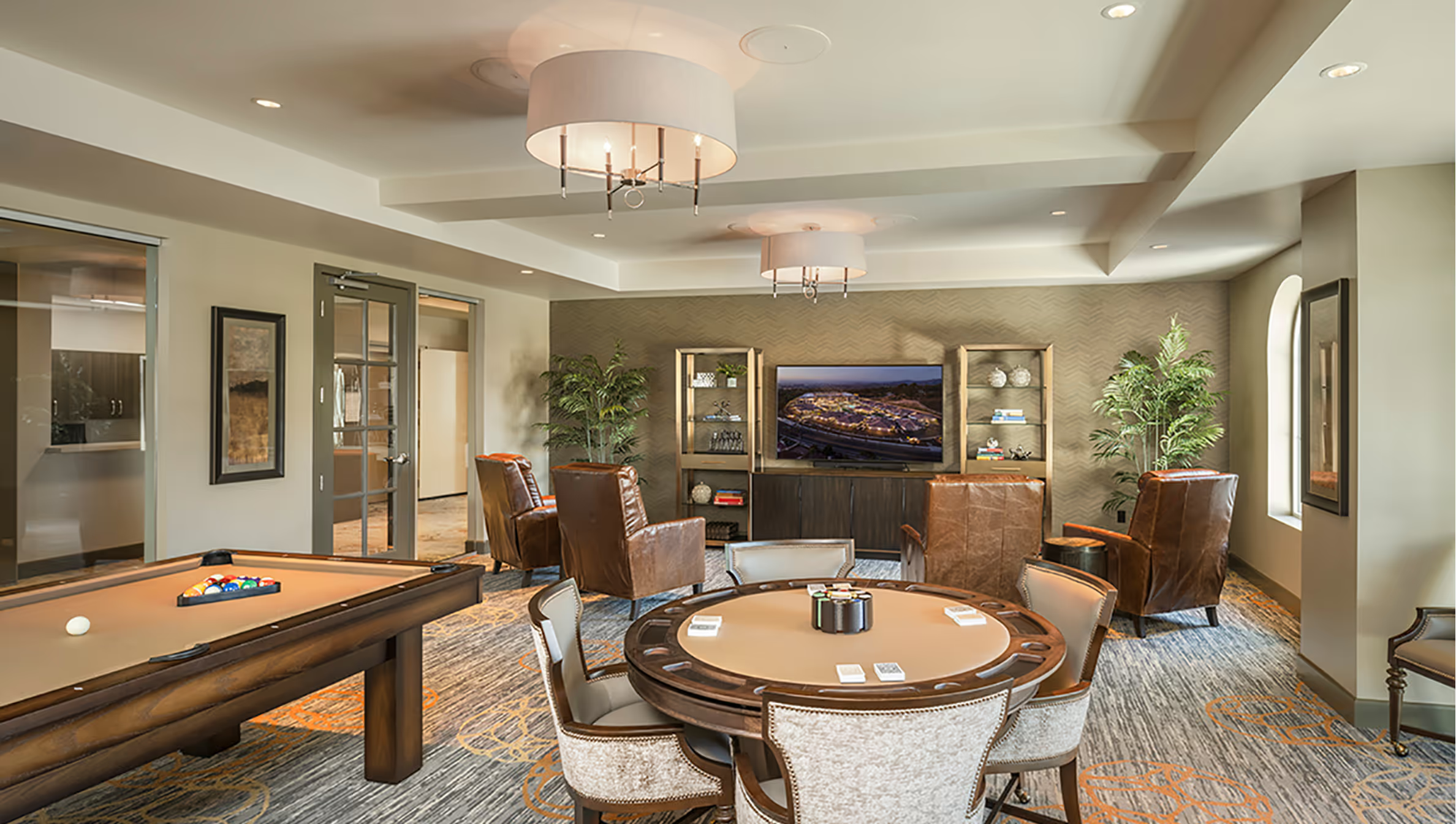
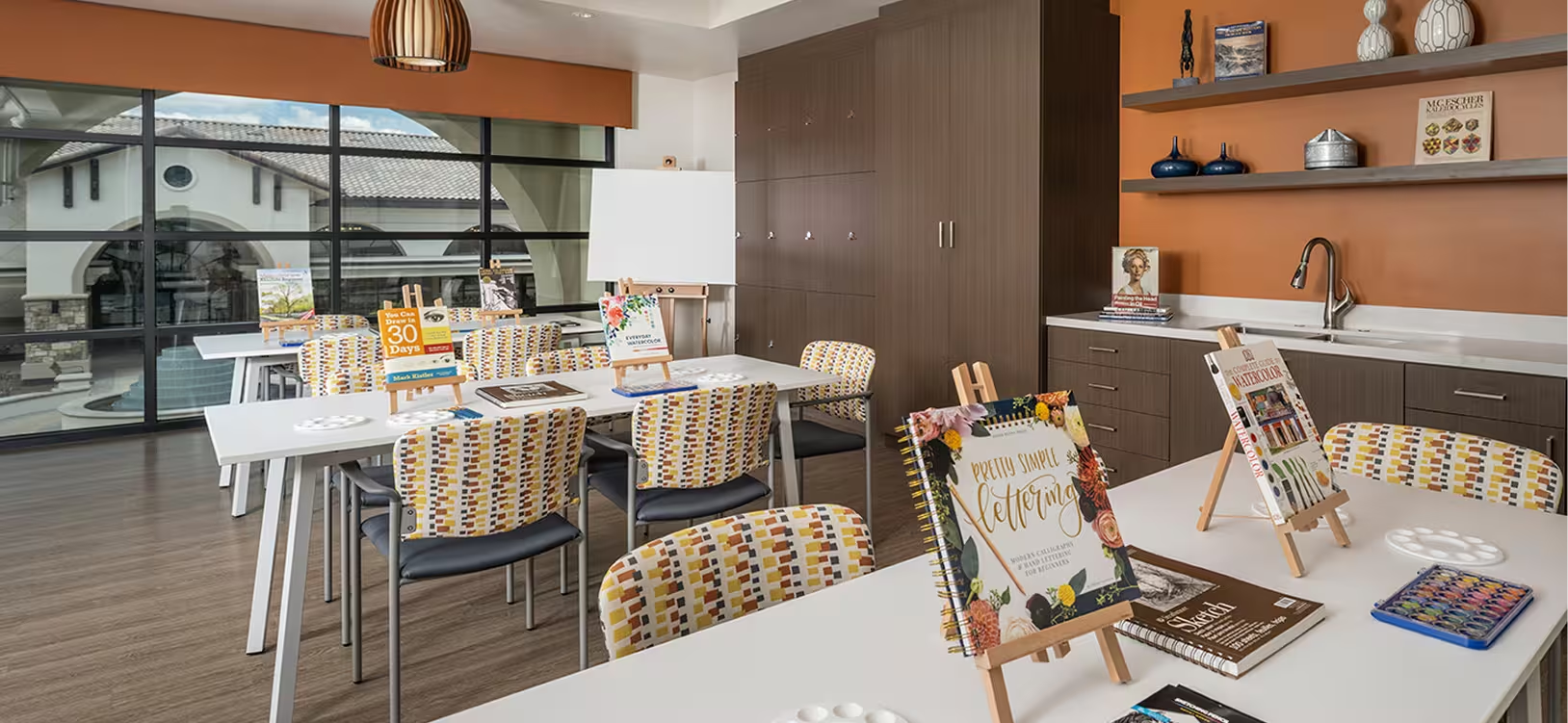
When residents participate in bridge nights, book clubs, gardening groups, or community dinners, they're not only having fun, they're maintaining cognitive engagement, building friendships, and creating daily reasons to get up and participate.
Many residents find that the community social calendar becomes the anchor of their day, giving structure and purpose to daily life. Regular social engagement also improves mental health outcomes and can delay cognitive decline. Communities that prioritize social activity report higher resident satisfaction and engagement across all age groups.
The day-to-day tasks of independent living (cooking, housekeeping, home maintenance, yard work) can become physically demanding or simply feel like too much. Lifestyle services in independent senior living communities handle these burdens while residents maintain full control over their lives.
Common services generally included in monthly fees:
When these tasks are managed by and independent living community, residents are free to participate in the activities they truly enjoy. Someone who once spent Saturday morning maintaining the yard now has time for gardening as a hobby. Someone who was tired of meal planning and cooking now enjoys dining with friends.
Read more: Assisted Living vs. Independent Living: Which Is Right for Your Loved One in San Diego?
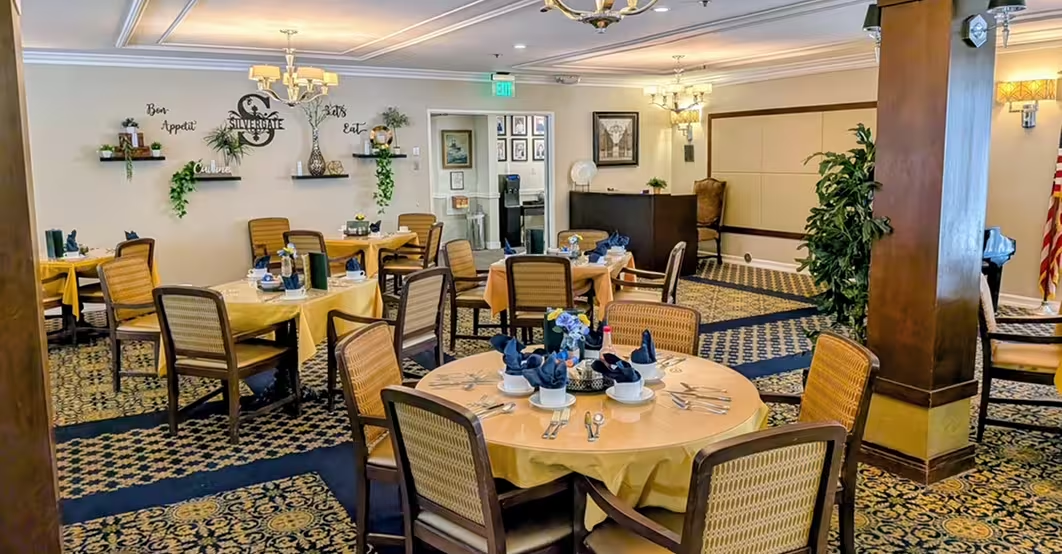
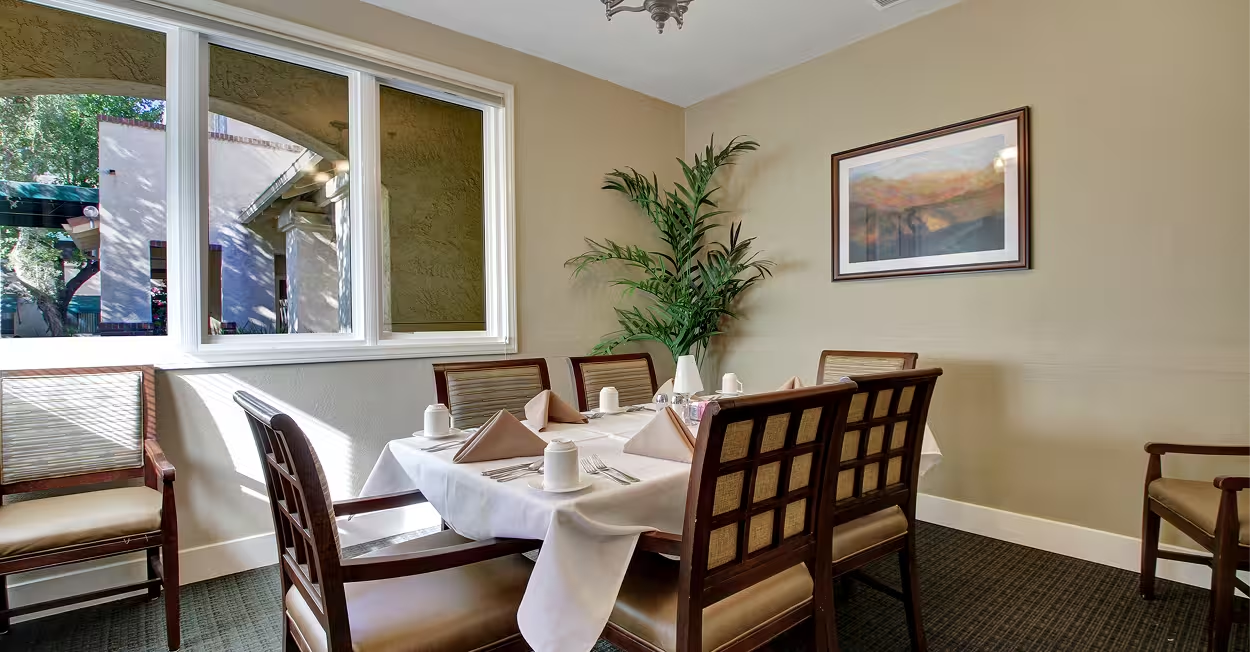
Nutritious food is essential for maintaining health, managing chronic conditions, and feeling your best. . Community dining programs typically offer multiple chef-crafted meal options daily, accommodating dietary restrictions and preferences while ensuring nutritional balance.
In addition to improving nutritional markers, community dining creates natural -opportunities for social engagement. Whether it's breakfast with a neighbor, lunch with new friends, or a special dinner event, shared meals build meaningful connections and prevent the isolation that often comes with solo dining.
Many communities also offer cooking classes, nutrition workshops, or specialized menus for health conditions like diabetes or heart disease. The combination of good nutrition, professional meal preparation, and the social experience of communal dining supports both physical and mental wellness.
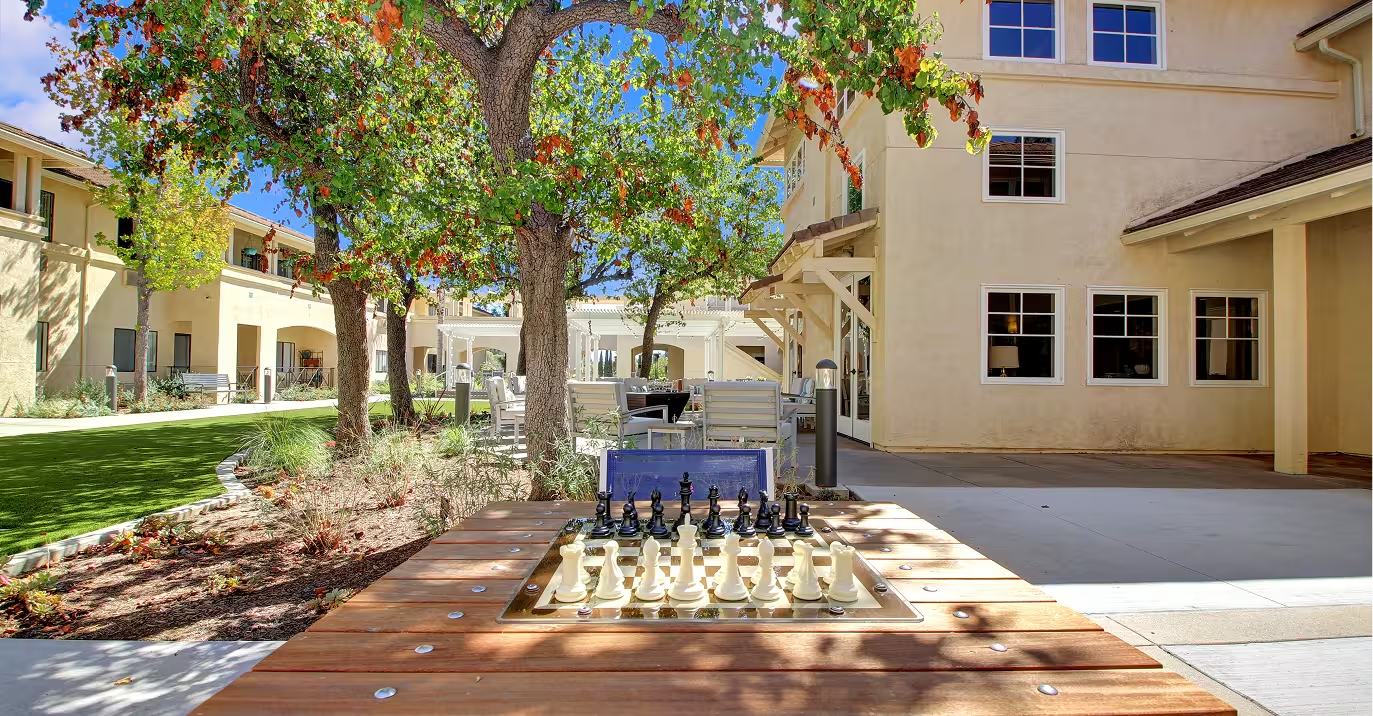
On-site fitness facilities (gyms, pools, walking trails, or outdoor exercise areas) make regular movement part of daily life. When a resident can attend a water aerobics class at 10 a.m. or walk the community grounds in the afternoon, staying active becomes convenient rather than something requiring special planning.
Fitness programs are typically run by qualified professionals who understand aging, mobility challenges, and how to adapt exercises safely. This expertise matters: a personal trainer in a senior community understands how to work with someone managing arthritis differently than a general fitness center would.
Access to specialized equipment designed for seniors, trained fitness staff, and peer support creates an environment where staying active feels natural and achievable, not intimidating or out of reach.
Most wellness programs, fitness classes, social activities, and lifestyle services are included in a monthly community fee. They're not surprise costs added later. This bundled approach means residents know their costs upfront and can enjoy full access to lifestyle programs without worrying about per-class fees or hidden charges.
Some communities do offer optional upgrades (premium spa services, specialized classes, or extra dining options), but core wellness programming, fitness facilities, social activities, and maintenance services are built into the base community cost.
This transparency and inclusivity allows all residents to participate fully in community life regardless of budget.
Read more: Understanding the Costs of Senior Living in San Diego County
What types of fitness classes are typically offered for varying ability levels?
Most communities offer classes ranging from gentle yoga and chair exercise to water aerobics, walking groups, and strength training. Fitness staff can typically modify activities for arthritis, limited mobility, or other conditions, and many communities assess fitness levels to recommend appropriate starting points.
How often are social activities scheduled throughout the week?
Active communities often offer daily programming with several activities most days, ranging from morning fitness to afternoon outings to evening entertainment. Most residents find they have to choose which activities to attend rather than struggling to find something to do.
Are dietary accommodations available for chronic health conditions?
Yes. Most dining programs work with residents to accommodate diabetes, heart disease, kidney conditions, swallowing difficulties, or other health concerns. Dining staff can discuss meal options and modifications during the move-in process.
What happens if I want to skip activities and stay in my apartment some days?
Independent living preserves your choice. Activities are available and encouraged, but residents decide their own participation level. Some days you'll want to join friends for lunch and a book club meeting; other days you might prefer a meal in and quiet time at home. The choice is entirely yours.
How do communities handle transportation for residents who don't drive?
Most communities include transportation or shuttle services to medical appointments, shopping, dining, and community events as part of their base services. This removes one barrier that might otherwise prevent older adults from staying engaged. Check with the community you are interested in to confirm transportation options.
Active aging isn't something that happens by accident. It requires the right environment, opportunity, and support.
Independent senior living communities are built specifically to provide these elements. Through wellness programs, social activities, lifestyle amenities, and a community designed around engagement, residents gain both the freedom of independence and the benefits of belonging to a connected community of peers. .
When daily burdens are managed and meaningful activities are built into community life, staying active becomes a part of everyday life. Exploring senior living options in your area, such as those available at Silvergate Retirement Communities, is a good next step toward understanding what active aging could look like for you.


%201.svg)