

Your mom forgot your middle name yesterday. Or maybe your dad keeps asking the same question every few minutes – his eyes searching yours for reassurance you wish you could give. These moments break your heart, and the weight of wondering what comes next feels heavy.
Finding the right care for someone living with memory loss is a process. It’s not simply a matter of checking off the boxes on a checklist. You’re looking for a comfortable, caring place where your loved one can still laugh, feel safe, and hold onto their dignity even as dementia or Alzheimer's changes their world.
Key Takeaways:
Quality dementia care recognises that your loved one is still themselves, even when their memory fails. The best memory care teams see the person behind the diagnosis. Staff learn each resident's life story, their favourite songs, their preferences, their habits and what makes them smile.
More than being places where people receive help with daily tasks, the Memory Care Suites at Silvergate are built around understanding how a confused brain interprets the world, then designing everything to reduce fear and limit frustration for residents.
Read more: Assisted Living vs. Independent Living: Which Is Right for Your Loved One in San Diego?
Alzheimer's disease doesn't follow a clean or easy path. Some days feel almost normal. Other days test everyone's patience and resilience. Memory care programs at Silvergate take this reality into account and adjust support as the disease progresses.
Early on, your loved one may only need gentle prompts and occasional reminders. As things change, care teams provide more hands-on assistance while maintaining routines that offer comfort and ease. The goal remains constant: to preserve dignity and find moments of joy that make every day matter.
When you tour a memory care community, consider how it makes you feel. Does it feel warm? Can you hear laughter? Are staff members genuinely engaging with residents, or simply going through the motions?
Look beyond the shiny brochures. Ask how long staff typically stay. High turnover means residents constantly adjust to new faces, which adds confusion. Observe how team members speak to residents. Do they make eye contact? Speak with respect? These small interactions reveal so much about a community's true values.
Memory care at Silvergate throughout San Diego County focuses on abilities, not losses. Your father might not remember what year it is, but he can still enjoy painting. Your mother might struggle with recent events, but she lights up during music therapy when old songs unlock memories.
Mealtimes become more than just nutrition. They're social experiences where residents gather, share space, and connect in ways that feel natural and familiar. Care teams know who prefers tea to coffee, who loves pudding over cake, and who needs encouragement to eat. These details matter.
Moving your loved one to memory care doesn't mean stepping back. It means stepping into a new role. You get to let go of being the exhausted caregiver managing medication, safety, and constant supervision. You return to being the daughter or son again, free to be present and enjoy time with your aging parent.
Quality communities, like Silvergate Retirement Residence, welcome you into care planning conversations. They share stories about your mom's day, the joke that made her laugh, the moment she seemed more herself. These updates help you stay connected to her daily living experience.
Read more: When to Consider Memory Care
The Silvergate San Marcos community sits in a bustling area of town with year-round sunshine that makes outdoor activities possible most days.
Silvergate Fallbrook offers a quieter, small-town setting where mature trees and lush gardens create peaceful spaces for residents who find overstimulation difficult.
Each location offers a unique experience for residents and their families. When selecting a memory care community, consider carefully where family members live and how important regular visits will be. Choosing a community that's easy to reach helps everyone stay more connected.
Silvergate’s Rancho Bernardo community blends established resident neighborhoods with purpose-built memory care environments. The favorable climate allows residents to spend time outdoors almost daily, which research shows helps improve mood and sleep patterns.
The Memory Care Suites at Silvergate Rancho Bernardo employ a thoughtful neighborhood design. Instead of gathering residents in large institutional dining rooms, smaller groups share meals family-style just steps from their suite door. Television, reading, games and lounging are shared in the central living space of the community’s unique “neighborhood” design. Residents see and recognize the same faces day after day, building the familiarity that brings comfort when so much else feels uncertain.
Over time, those living with memory loss experience many changes. Your loved one might become agitated at sunset. They might resist help with bathing. They might accuse staff of stealing items they've simply misplaced. These behaviours feel awful to witness in the moment, especially when directed at you.
Despite their challenges, trained care teams understand that these behaviors communicate unmet needs. Someone pacing might need more physical activity. Resistance to bathing might signal fear of falling or discomfort with the temperature. Rather than simply managing behaviours, staff work to understand and address what's really happening for the resident.
Dementia rarely travels alone. Your loved one might also be managing other health concerns like diabetes, a heart condition, or mobility issues. Memory care communities coordinate with doctors, specialists, and pharmacists to ensure resident needs are met and nothing falls through the cracks.
Regular health monitoring can often catch changes before they escalate out of control. Staff notice when someone seems more confused than usual, which might signal a urinary tract infection or medication issue. This attentive care prevents small problems from becoming emergencies.
Read more: Senior Living Communities vs. In-Home Care: Understanding the Difference
What's the difference between assisted living and memory care?
Memory care provides specialised environments with trained staff who understand dementia behaviours and communication. Assisted living offers help with activities of daily living but lacks the secure spaces and specific programming that people with memory conditions need to feel safe and engaged.
How much does dementia care cost in San Diego County?
Memory care costs reflect the specialised staffing and programming required. Monthly rates typically include housing, meals, activities, and personal care. Costs vary by location and level of services. Contact Silvergate Retirement Residence directly for current pricing and information about financial assistance or long-term care insurance coverage.
Can residents with advanced Alzheimer's remain in memory care?
Most memory care communities support residents through the advanced stages of memory loss. As needs change, care teams adjust support accordingly. Some situations might eventually require skilled nursing care, but quality memory care communities serve residents throughout most of the journey.
What activities do memory care residents participate in?
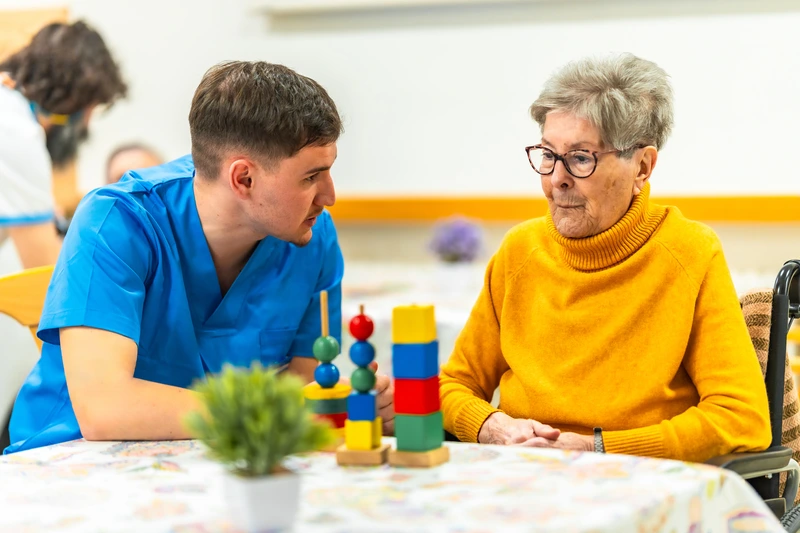
Activities focus on familiar experiences adapted to current abilities. A former teacher might enjoy reading to children's groups. Someone who loved gardening might help tend raised flower beds. Music, art, gentle exercise, and sensory activities provide engagement without pressure to perform or remember.
How often can families visit in memory care?
Most communities welcome family visits during regular visiting hours. Some offer private spaces for family meals or special celebrations. Your presence matters enormously, even when your loved one doesn't seem to recognise you. Emotional memory often outlasts factual memory.
This decision weighs heavily for those facing a care need. You're choosing where someone you love will spend their remaining years. You want them safe but not institutionalised, cared for but not stripped of autonomy, engaged but not overwhelmed.
San Diego County's Silvergate Memory Care Suites let you find a community that matches your family's values. Visit each community firsthand. Ask hard questions. Notice how your loved one responds to different environments. The right fit often becomes clear when you see them relax, smile, or engage with staff in ways that feel natural.
Schedule tours at communities throughout San Diego County. Bring your loved one if possible, ask about their daily routines, and trust what your heart tells you about where they'll receive the compassionate, dignified care they deserve.






%201.svg)